“How am I supposed to eat 150 grams of protein in a day?”
I asked myself that question for months. It felt impossible. 150g sounded like an insane amount of food — until I actually mapped it out and realized it’s not about eating more, it’s about eating smarter. You don’t need tubs of protein powder or six chicken breasts. You just need a plan.
This guide shows you exactly how to hit 150g protein daily using normal food, spread across 3 meals and 1–2 snacks. No supplements required (though they’re fine if you want them).
Note: Nutrition info is approximate and varies by brand and preparation method.
Why 150g? Who Actually Needs This Much?
The short answer: most active adults trying to build or maintain muscle while managing their weight.
Want the complete 7-day plan with every macro counted?
The High-Protein Meal Prep Blueprint gives you all 7 days, a grocery list under $50, and a 2-hour Sunday prep guide.
Get the Blueprint - $7The common recommendation is 0.7–1g of protein per pound of body weight. For someone who weighs 68–80 kg (150–175 lbs), that’s roughly 105–175g per day. 150g is a solid middle ground that works for most people.
You don’t need to hit exactly 150g — it’s a target, not a law. Getting within 130–160g consistently is what matters.
The Math: Breaking 150g Into Meals
Here’s the framework that made it click for me:
| Meal | Protein Target | Example |
|---|---|---|
| Breakfast | 30g | 3 eggs + Greek yogurt |
| Lunch | 45g | Chicken thigh + rice + beans |
| Snack | 15–20g | Hard-boiled eggs or cottage cheese |
| Dinner | 45g | Salmon or turkey + veggies |
| Evening snack (optional) | 15g | Greek yogurt or handful of nuts |
| TOTAL | 150–155g |
When you break it down like this, each meal only needs 30–45g of protein. That’s very doable — a chicken thigh alone has 25–30g.
Sample Day 1: The Easy Classic
Breakfast — 32g protein
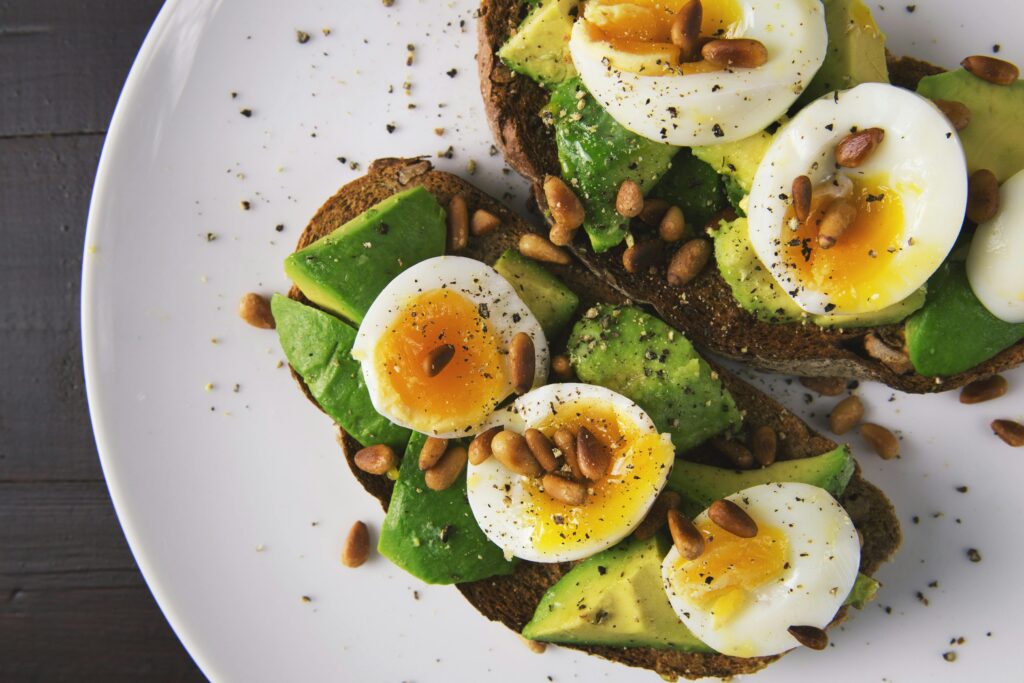
- 3 scrambled eggs (18g)
- 1 slice whole-wheat toast (3g)
- 100g Greek yogurt with honey (10g)
Lunch — 45g protein
- 200g chicken thigh, grilled (40g)
- 1 cup rice (3g)
- Side salad with olive oil dressing (2g)
Afternoon Snack — 18g protein
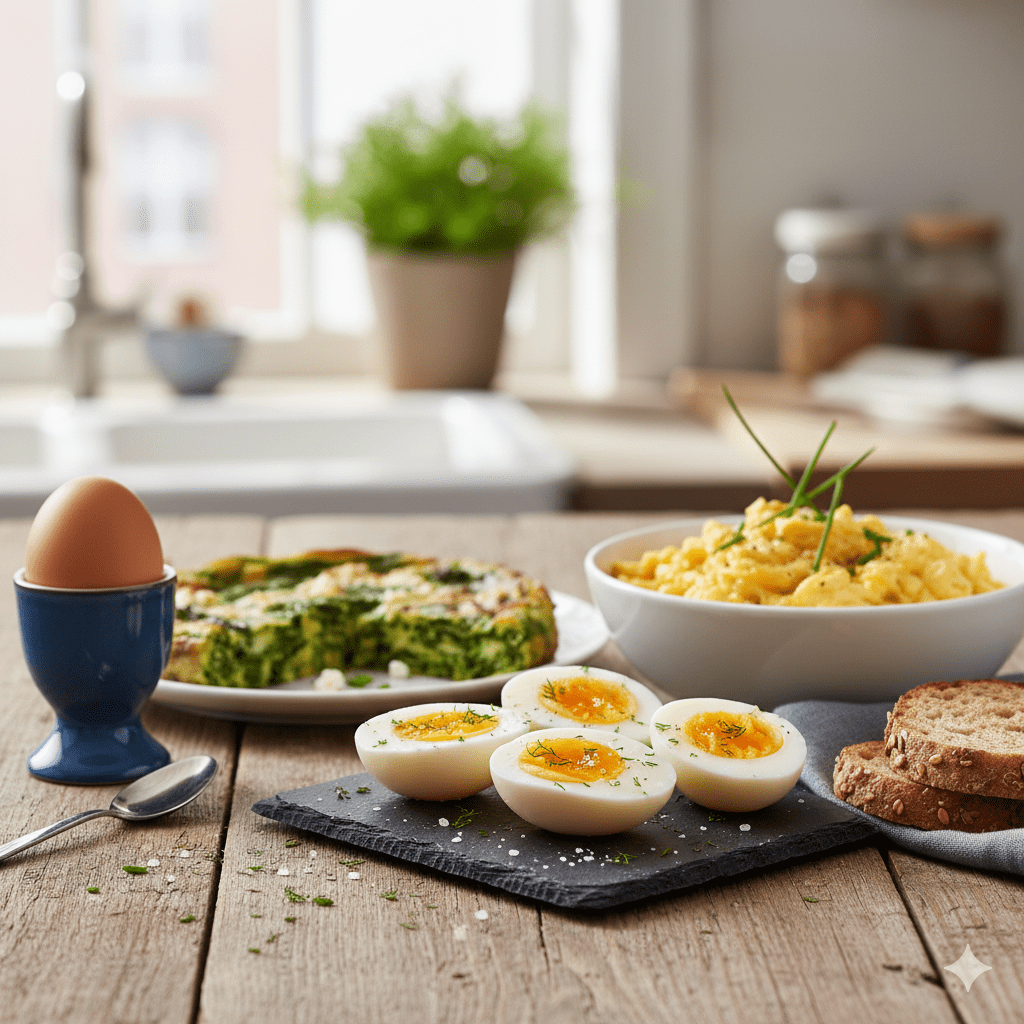
- 2 hard-boiled eggs (12g)
- 1 cheese stick (6g)
Dinner — 42g protein
- 150g salmon fillet, baked (35g)
- Roasted broccoli and potatoes (4g)
- 1 tbsp olive oil for cooking (0g)
- Small side of hummus (3g)
Evening — 15g protein
- 150g cottage cheese with berries (15g)
Daily total: ~152g protein • ~1,950 kcal
Sample Day 2: Budget-Friendly
Breakfast — 28g protein
- Overnight oats with PB and Greek yogurt (28g)
Lunch — 48g protein
- Turkey chili with kidney beans (40g)
- Side of rice (3g)
- Shredded cheese on top (5g)
Afternoon Snack — 20g protein
- 1 can tuna with crackers (20g)
Dinner — 38g protein
- 2 chicken thighs, oven-baked (30g)
- Roasted sweet potato (3g)
- Spinach salad with feta (5g)
Evening — 17g protein
- Greek yogurt with almonds (17g)
Daily total: ~151g protein • ~2,100 kcal
Sample Day 3: Vegetarian-Friendly
Breakfast — 30g protein
- Tofu scramble with spinach and feta (18g)
- 1 slice toast (3g)
- 100g Greek yogurt (9g)
Lunch — 38g protein
- Lentil curry over rice (22g)
- Side of roasted chickpeas (8g)
- Greek yogurt drizzle (8g)
Afternoon Snack — 22g protein
- Cottage cheese with cherry tomatoes (14g)
- Handful of almonds (6g)
- 1 hard-boiled egg (6g)… wait, not vegetarian with egg? — eggs count as vegetarian, not vegan
Dinner — 35g protein
- Black bean and cheese quesadillas (18g)
- Side of edamame (17g)
Evening — 25g protein
- Protein smoothie: milk + PB + banana + Greek yogurt (25g)
Daily total: ~150g protein • ~2,000 kcal

The Highest-Protein Foods (Cheat Sheet)
| Food | Protein per serving | Serving size |
|---|---|---|
| Chicken breast | 31g | 100g cooked |
| Chicken thigh | 26g | 100g cooked |
| Salmon | 25g | 100g cooked |
| Ground turkey (lean) | 24g | 100g cooked |
| Canned tuna | 25g | 1 can (120g) |
| Eggs | 6g | 1 large egg |
| Greek yogurt | 10g | 100g (plain) |
| Cottage cheese | 11g | 100g |
| Black beans | 8g | ½ cup cooked |
| Lentils | 9g | ½ cup cooked |
| Tofu (firm) | 10g | 100g |
| Peanut butter | 7g | 2 tbsp |
| Oats | 5g | ½ cup dry |
| Cheese (cheddar) | 7g | 30g |
5 Rules That Made It Easy
Rule 1: Protein at every meal. Not just dinner. If you’re getting 10g at breakfast and 15g at lunch, you’ll need 125g at dinner — which is basically a whole rotisserie chicken.
Rule 2: Greek yogurt is your best friend. I add it to everything — breakfast bowls, smoothies, as a sour cream replacement, in dressings. It’s 10g protein per 100g and goes with almost anything.
Rule 3: Double your protein portions. Most recipes call for 100–150g of chicken. Use 200g instead. Small change, big impact.
Rule 4: Snack on protein. Replace chips and crackers with hard-boiled eggs, cottage cheese, or turkey roll-ups. Each snack adds 10–20g without any extra cooking.
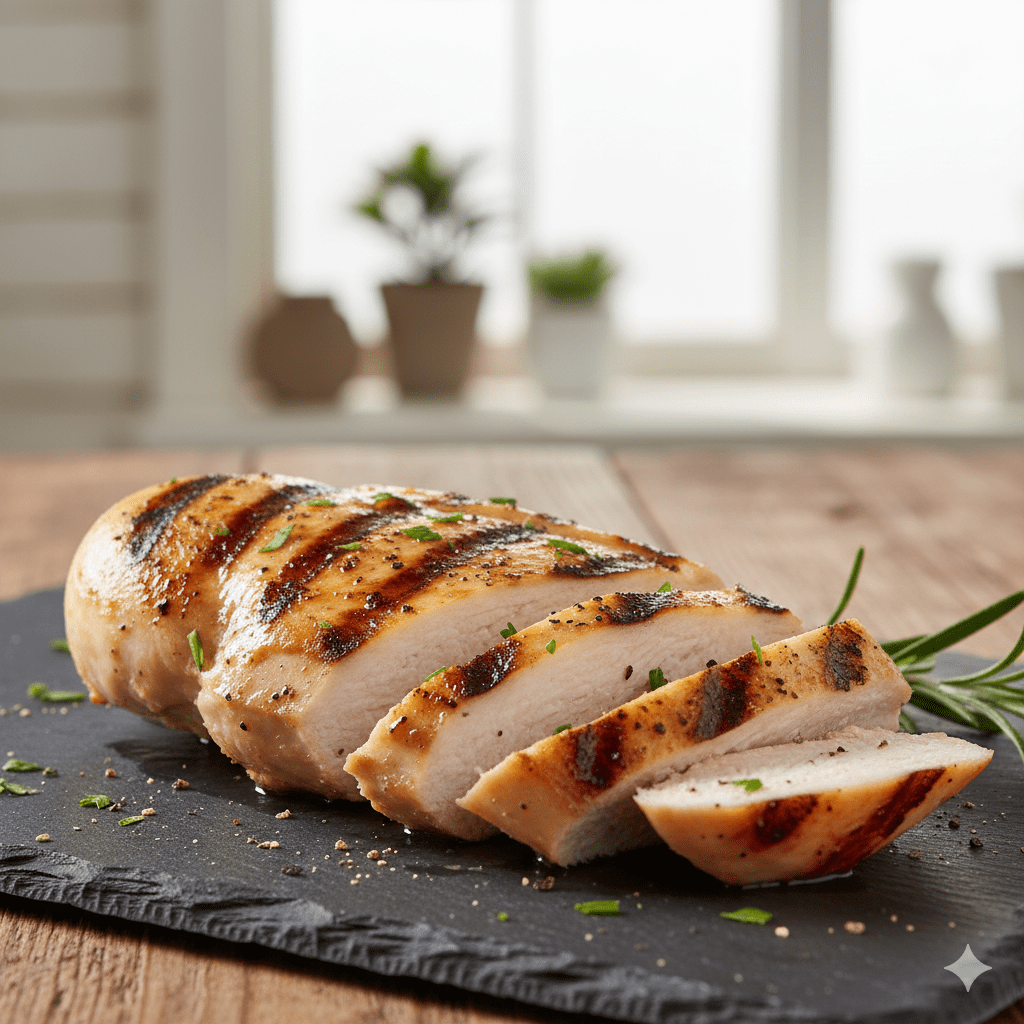
Rule 5: Cook in bulk. Grill 1 kg of chicken on Sunday. It’s enough for 4–5 meals. Having cooked protein in the fridge at all times makes hitting 150g almost automatic.
FAQ
Can I get 150g protein without chicken?
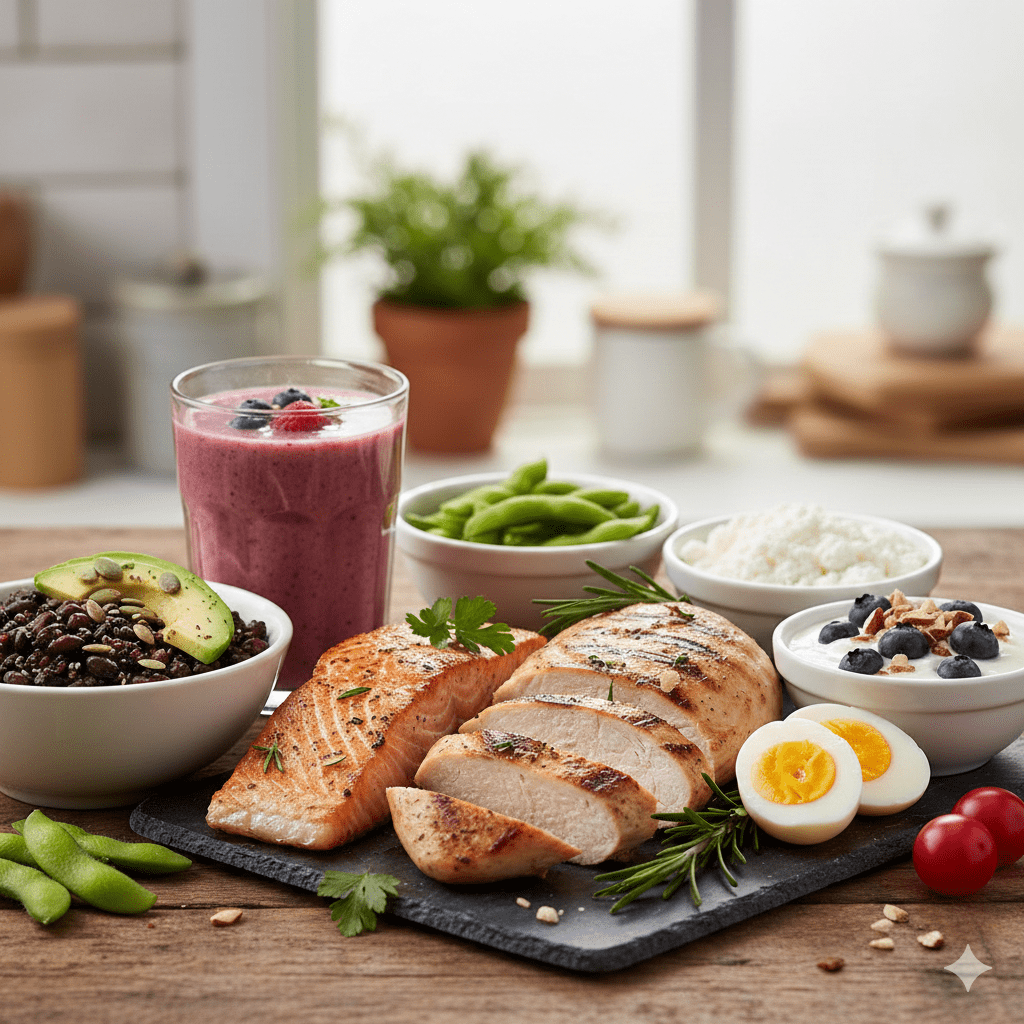
Yes. Fish, eggs, ground turkey, tofu, Greek yogurt, cottage cheese, beans, and lentils all add up. You don’t need to eat chicken every day.
Do I need protein powder?
No. All 3 sample days above hit 150g without any supplements. Protein powder is convenient but not necessary.
Is 150g too much protein?
For most healthy, active adults — no. Research consistently shows that high protein intake (up to 1g per pound of body weight) is safe for people with healthy kidneys. If you have kidney concerns, talk to a doctor.
What if I’m eating 150g but not losing weight?
Protein alone doesn’t cause weight loss — total calories do. 150g of protein is roughly 600 calories. If your total daily intake is still above your maintenance level, you won’t lose weight regardless of protein intake.
Final Thoughts
Hitting 150g protein daily isn’t about eating a mountain of chicken breast. It’s about distributing protein across every meal, choosing high-protein versions of foods you already eat, and having cooked protein ready in the fridge. Start tracking for a few days — you might be closer to 150g than you think.